Wednesday, August 20, 2014

Take Care of Your Tummy 101: Healthy Digestion Checklist

Hello All!

As a health foodie, I am constantly looking for ways to improve my diet. I've been discovering that as I add healthy foods to my diet and pallet, that is I am very careful. I have a sensitive digestive system, so too much fiber makes for a very VERY uncomfortable digestion process. In an effort to be meticulous in my self-care, I've been doing some research to help me respect and give comfort to my body, while also strengthening my digestive system.

TANGENT...! I am definitely an advocate for holistic health. I engage with and gain a lot from alternative healing, I connect my physical health to my spiritual & emotional health. Our digestive system is correlated to the solar plexus chakra (A chakra is an energy point). The solar plexus is connected to our personal power/self-empowerment, our intuition--hence the term "gut instinct"-- and our emotion--hence "butterflies" in our stomachs or the urge to throw up that very nervous people have. This is the part of our being that rules our will, so we say "I become." Strengthening our digestive system does impact our overall health, including out emotional and spiritual health. 


Photo Credit 

I came across this book called Be Good to your Gut, by Pat Baird, which has some great information on how we can begin to take ownership of our digestive health. I modified some of the information for my info-graph below. I hope your find it useful!


Str

Look out for more articles on digestive health!
I

Source: 

Baird, Pat. Be Good to Your Gut: Recipes and Tips for People with Digestive Problems. Cambridge, MA: Blackwell Healthcare, 1996. Print.

Monday, August 18, 2014

Caffeine and Your Body

Hello All!

Like many of you, I am an on-the-go type person. My days are usually full and long, and when I go home, I try to work on accomplishing some personal goals. Throughout the week, I don't usually have time to rest until I'm in bed. With all that I do, I've found that I have been needing an extra boost to help me jump start my day, and sometimes my late afternoons too.

I enjoy coffee every so often, but I wouldn't say that I am a habitual coffee drinker. However, when I drink coffee, I do experience the amazing benefits of having that 95 mg caffeine boost (there are 95 mg of caffeine in a cup of coffee). At the same time, I've experienced many of the negative side-effects of caffeine in my body, but before I get into that, here is some data from an article I found on the FDA.gov site about our society's caffeine intake:
  • Caffeine occurs naturally in more than 60 plants including coffee beans, tea leaves, kola nuts used to flavor soft drink colas, and cacao pods used to make chocolate products.
  • Ninety percent of people in the world use caffeine in one form or another. 
  • In the U.S., 80 percent of adults consume caffeine every day the average adult has an intake of 200 mg per day, the amount in two 5-ounce cups of coffee or four sodas. 
  • A study of 7th, 8th, and 9th grade students in Ohio found that students took in an average of 53 mg of caffeine per day, but almost one in five students took in more than 100 mg of caffeine each day.

These are some of the side-effects you may experience with caffeine in-take. I would also take into consideration how your age, weight, heart condition, and general health will interact with these symptoms:

  • After drinking caffeine, it usually reaches its peak level in your blood within one hour and stays there for four to six hours
  • Make you jittery and shaky 
  • Make it hard to fall asleep, stay asleep, or get a good night’s sleep 
  • Make your heart beat faster
  • Cause an uneven heart rhythm 
  • Raise your blood pressure 
  • Cause headaches, nervousness, and/or dizziness
  •  Make you dehydrated (dried out) especially after a workout Make you dependent on it so you need to take more of it
From: http://www.fda.gov/downloads/UCM200805.pdf

I myself I have experienced the jitters, difficulty falling asleep, and nervousness from taking in too much caffeine. I would also note that in my personal experience, I’ve noticed that consuming caffeine products, tea and coffee, suppress my appetite fully and really heighten my ability to concentrate. In one of my previous articles, 3 Ways to Know What Foods Are Good For You, I stressed the importance of eating the foods that work with your body.

In taking my own advice, I would say that I will be drinking coffee in moderation, perhaps even less often than that. When I do purchase coffee, I will be researching an organic coffee that has been manufactured with care.

I haven’t found any information that would cause me to limit my tea intake, other than its impact on iron absorption, but that can be balanced by taking in more vitamin C. Furthermore, there are many caffeine-free tea options out there.

I am on the search for some natural, friendly picker-uppers. I came across this great article on fitday.com called “5 caffeine substitution ideas” that sound really great.

1.   Ginkgo Biloba "This is an herbal extract from the nut of the tree with the same name. It has been used for centuries in Chinese medicine and works as a vasodilator, which increases of blood flow, particularly to the brain and extremities. People have reported better focus, wellbeing and even creativity when taking this herb. Ginkgo Biloba is also used to treat asthma and circulatory diseases."
Photo Credit

Photo Credit

 Photo Credit
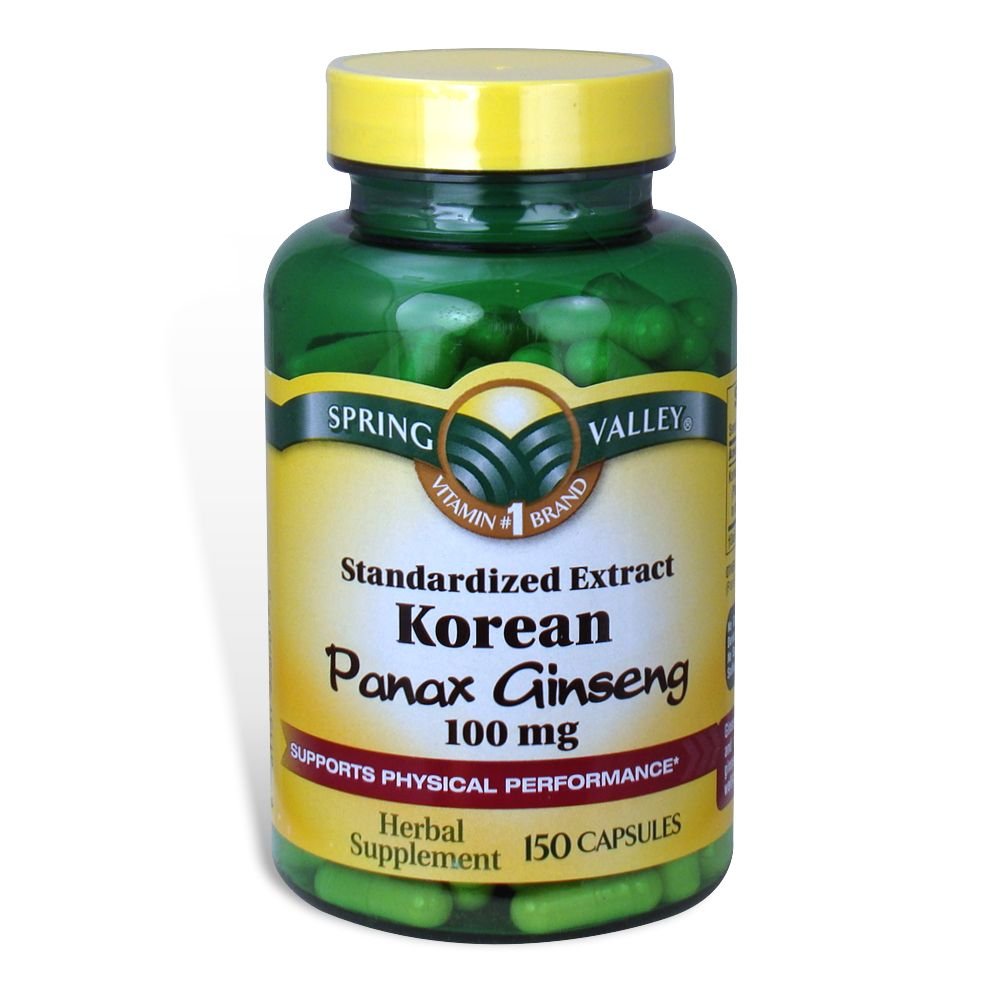
2. Ginseng "is an extract derived from the ginseng root. It grows in many parts of the world and varies in potency. Also used since ancient times, ginseng is beneficial for increased blood flow, and like coffee, has a stimulating effect. It's been shown to reduce depression and stress." 
The Vitamins and Supplements Lifestyle Guide on WebMD.com provides more great information on the benefits of Ginseng:
Some studies have found that ginseng may boost the immune system. There is some evidence that one particular type of American ginseng extract might decrease the number and severity of colds in adults.
 Several studies in people have also shown that ginseng may lower blood sugar levels.
 There is some early evidence that ginseng might temporarily -- and modestly -- improve concentration and learning. In some studies of mental performance, ginseng has been combined with ginkgo. While these studies are intriguing, many experts feel that we need more evidence.
 Ginseng has also been studied as a way to improve mood and boost endurance as well as treat cancer, heart disease, fatigue, erectile dysfunction, hepatitis C, high blood pressure, menopausal symptoms, and other conditions. While some of these uses are promising, the evidence isn’t conclusive. (From: http://www.webmd.com/vitamins-and-supplements/lifestyle-guide-11/supplement-guide-ginseng
Ginseng Plant Photo Credit

Photo Credit

Photo Credit

3. Ice Cold Water and a B12 "Ice cold water first thing in the morning can shock your system into a metabolic furnace that kicks into gear to warm the water put into your system. Combined with vitamin B12, this is an excellent way to jump start your engine." When I started taking B12, I immediately noticed the an extreme difference in my mental clarity and focus.  "It also plays a role in melatonin production (a hormone that regulates healthy sleep cycles). B12 can help depression, asthma and the formation of red blood cells. The best way to take B12 is sublingually (under the tongue)." B12 can also be found in fortified soy milk, tofu. and cereals. If you are vegan, eggs and healthy dairy products are great sources of B12. If you consume meat products, beef and fish also have B12. 

Photo Credit

4. Teeccino and Cafix "These are two caffeine substitutes often found in health food stores. They are primarily made from grains, figs, chicory and beetroot. These products have had great success in mimicking the familiar taste of coffee, without any caffeine or acidity whatsoever. Like anything, there would be an adjustment period, but most people trying to kick the caffeine addiction give these two products high marks." I would say that aside from its ability to mimic coffee, this option is composed of several highly nutritious foods. 
 Photo Credit

 Photo Credit
5. Stretch and Eat an Apple "Stretching upon rising catapults oxygen metabolism in the blood, sending oxygen rich cells to the muscles and the brain, which sparks an alert and focused body. Combine this with a fresh apple and you can boost your system into a similar caffeine wakefulness. The act of chewing an apple opens up neural and muscle pathways, and the fructose sparks the metabolism into energy production." If you have some time, I would suggest doing a couple quick yoga moves to stretch and get some blood flowing.
I would also add that water and exercise are excellent ways to balance our energy systems.
If you are going through caffeine withdrawal, these substitutes will take a while to work. Your body needs time to readjust to the changes you are making.


Thursday, August 14, 2014

#TeaAddict Series: The Healing, Invigorating Benefits of Earl Grey Tea

Hello All!

I love tea. I really do. I grew up in a Caribbean household where tea was considered the medication for every ailment. Examples (written in imperfect Jamaican Patios)

  • "Yu belly 'urt? Drink sum mint tea"
  • "Yu 'ave a col'? Yu 'ave a fevah? Drink sum Cerasee" (American English: bitter herbal tea)
  • "Ya face bruk out? Drink more tea" (American English: You have pimples?) 
  • "It's cold outside. Drink sum tea"
LOL. Yes. My mother's solution to every health issue. As a child, I did not like tea, especially Cerasee and Ginger teas. They were too hot and bitter for my palate, which preferred Kool-Aid and Tang (Does Tang still exist?) However, as an adult, I am growing to understand why it was a key household item in my family. 

Throwback Anyone? (photo credit)

In my personal experience, tea has provided me with  a lot of energy and nutrients. Not mention the benefits of its warming effects (as I am always cold). Its both safe and healthy to be a tea connoisseur, for the benefits are endless. Not only is tea good for you, but it curbs cravings, balances your digestive system.  Most teas are very relaxing... an excellent accompaniment to a great book and a light pastry. Caffeinated teas are a great alternative to coffee, if coffee isn't your thing. If you still aren't persuaded, do some research! 

I thought I would start our with Earl Grey tea. Earl Grey tea is a black tea combined with the oil of the rind of the Bergamot Orange, a fragrant citrus fruit. "Earl Grey Tea Benefits" and article from "Med-Health.net" has some great information on the benefits of Earl Grey Tea. These Benefits include:

  • Antioxidant
  • Blood Sugar Regulation
  • Fever Relief
  • Digestive Aid
  • Oral Health
  • Hydration
  • More Energy
  • Relaxant
  • Weight Loss
Photo Credit

More for details, read the article here: http://www.med-health.net/Earl-Grey-Tea-Benefits.html

I guess my mom was right in citing tea as the all encompassing cure for common ailments. Also, a note. If you are sensitive to caffeine like me, look for decaffeinated teas. Also, health food and good grocery stores have every tea flavor you can think of. Another thing, tea, like water and coffee, is a great diuretic, so drink while you're near a bathroom :)  

If you live in Delaware here are some Tea  (health food) sources:

Elmere/North Newark-y Area
Newark
North Wilmington/Philadelphia
  • Wholefoods
  • Trader Joe's 
All Wilmington
  • Shop rite (Shop-rite is also the most affordable!)
ONLINE! lots of great teas are available for sale online


If you know of anywhere else please comment! 

For general information on tea check out The Tea Spot Website: http://theteaspot.com/about-tea.html

Thanks for Reading :)


3 Ways Know What Foods are Good for YOU

Hello All!


As a both a foodie and an almost health guru, I've done a lot of research related to diet and general health. There is so much conflicting information out there. One blog or TV show will tell us dairy is unhealthy, another will tell us is it is beneficial to overall health. Just yesterday I was speaking to a group of ladies about the confusion surrounding nutrition. Someone in the group asked me whether I think coffee is damaging or beneficial to health, because everyone has differing opinions. 

Does the journey to nutrition feel like this sometimes? (Photo Credit)

My answer is that there is no answer. I told her a story about how I was trying to find healthy meatless sources of protein. I was confused about whether or not I should consume soy products. Some sources said it wasn't good for our bodies, others said the way soy products are produced makes them unhealthy. So for a while I didn't eat anything  with soy. However, I once I felt the symptoms of protein deficiency in my body (weakness, fatigue) I decided to try eating tofu to see how it felt. I had a tofu wrap from a restaurant and I was all cramped up, my stomach hurt and I was uncomfortable for hours afterwards. So, needless to say, I quit with the tofu for a while. 

After a couple months of having difficulties in maintaining my protein levels, I decided to try tofu again, however, this time I bought organic tofu and I prepared it at home. I cooked my meal with care and love. And guess what. No cramps, no digestive issues, and I was satisfied. This week I decided to purchase organic soy milk because it has a lot of protein and is fortified with vitamins and minerals--no harm occurred with this product either.

What did I learn from this experience? That it is all about becoming in tune with our bodies. Its not just about what food tastes like, its about how you feel physically, emotionally, and mentally after you consume it. Here are 3 considerations that will help you determine whether you should completely removed something for your diet, or whether you should reconsider the brand/type of product you bought.

  1. Listen to your body: How do you feel after eating/drinking? Do you have a headache or stomachache? Do you feel sluggish and slow? Did your blood pressure or insulin levels dramatically change? Are you agitated or depressed?
  2. Recall how you purchased your food: Where did you buy the food? Was it a low-quality brand? Was is made with many chemicals, sugars, salts, or food dyes?
  3. Think about who might have made your food: If it was from a restaurant, was is a low-quality restaurant? It is the type of place where the cooks take pride and enjoy preparing food? If a friend or relative made it: Were they stressed out or aggravated when they prepared the food? Was the food made with love?
All of these things contribute to how you will feel after eating. I have another story. Prior to changing my diet I was always bloated, especially after my fried meals like tender and fries, or a bacon-cheese burger and onion rings, and other meals like that. Because I wasn't in tune with my body, I just thought that being bloated was natural. Some seltzer water, Tums or Pepto-Bismol and I would be good right? WRONG. I was listening more to the psychological satisfaction of eating those rich foods all the time instead of my digestion system who was asking for a break and some loving care. Listen to your bodies people!

To be sure you are consuming the food your body will love, take note of the following:
  1. If it is a food that popular nutritionists and websites have differing opinions on like coffee, diary, or soy, consider opting for an organic brand. Eating organic often removes the risk of ingesting something your body will not like. 
  2. Don't cook if your angry/upset. Step out of the kitchen, and if you are hungry, sooth your stomach with come hot tea until you are in a more positive mood.
  3. Save money for a high-quality restaurant as opposed to going to a bunch of low-quality restaurants. Cooks, chefs and waiters who are getting paid well and better treatment are more likely to enjoy their work, which will give you a great eating experience. 
The most important thing to remember is to become more in tune with your whole body. not just your taste buds!

Photo Credit 

Happy Eating!!


Monday, August 11, 2014

Blueberry Wake-Up Smoothie

Hello all!

As you may or may not know, smoothies are a very popular and quick breakfast option for people who want a healthy and filling morning meal. I've been trying to up my smoothie game and I've discovered that this smoothie I been making--what I call the Blueberry Wake-Up Smoothie--is both energizing and delicious.

Here's the recipe:

  • 1/2 cup of blueberries
  • 2 fresh apricots
  • 1-2 bananas (depending on how hungry you are)
  • 1/2 of an avocado
  • The juice of 1/2 or 1 whole lemon (depending on your citris preference)
  • A couple leaves of fresh Anise Hyssop (and herb) (you can also use Mint for a fresh taste, or Basil or Thyme for a savory taste)
  • 1-2 tbsp or honey
  • 1/2 cup of non-dairy milk (almond, soy, coconut etc)
  • 1 tbsp of chia seeds (flax seeds are cheaper if and just as nutritious too)

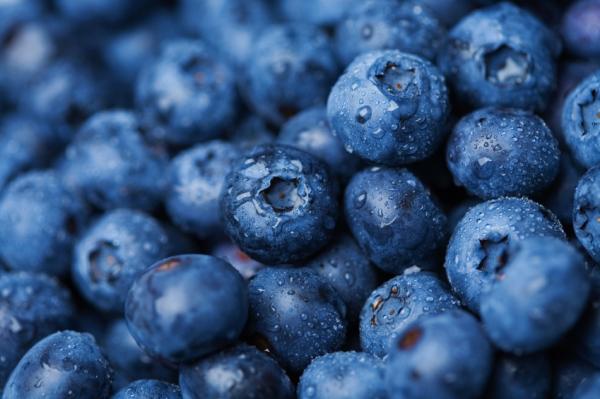
Blend all of your ingredients together and there you have it! The blueberries are a power fruit full of antioxidants and vitamins, just what you need in the morning. All of the other ingredients are nutrient packed too, spend some time researching and you'll see why this smoothie is such a great daily health boost.

Things to note:
  1. Drink this right away! Because blueberries are filled with antioxidants, as soon the blended smoothie is exposed to open air, the color of the smoothie will shift from purple to brown. It's still nutrient packed, it's just seems better to drink it fresh
  2. Add Ice! or if your berries are already frozen that will keep your smoothie cold... sometimes the motion of the blending naturally warms the ingredients. Or chill it in the freezer for 10 minutes after you blend.

Foods with rich colors like blueberries are filled with nutrients for the body! (Image Credit)


Enjoy and live!